The 5 Cutting Compounds We Trust for Professional Paint Correction
- Jan 17
- 6 min read
Updated: May 19
When it comes to paint correction, the compound you choose can make or break the result.
Every vehicle has a different paint system, different defects, and different expectations. That is why professional detailers do not rely on a single product for every job.
At Pro Era Detailing, we perform professional paint correction in Lemont, Romeoville, Naperville, Plainfield, and surrounding Chicago suburbs.
Over years of body shop experience and hands-on correction work, we have narrowed down the cutting compounds that consistently deliver results across a wide range of vehicles and paint types.
Below are the five cutting compounds we keep in rotation throughout the year and why each one earns its place in our shop.

Reliable Heavy Cut With Consistent Performance
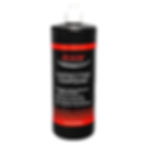
Oberk Supreme Cut is one of the most dependable cutting compounds we use. It delivers strong correction while remaining predictable, which is critical when working on high-value vehicles.
This compound performs exceptionally well on a rotary and can also be used with a dual action polisher when needed. It is effective on a variety of paint systems and works especially well when paired with a wool cutting pad.
Why we use it:
Strong correction for deeper defects
Consistent workability
Reliable results across multiple paint types
Oberk as a brand produces high-quality polishes, and Supreme Cut is one of their standout products for professional correction work.
Body Shop Safe and Wool Pad Friendly
Jescar Correcting Compound is another staple in our shop, particularly when working on vehicles with sensitive or freshly refinished paint.
This compound is body shop safe and contains no fillers, which means the correction you see is real correction. It excels when used on a rotary with a wool pad and offers similar cutting power to Oberk Supreme Cut while maintaining excellent control.
Why we use it:
Body shop safe with no fillers
Excellent performance with wool pads
Strong correction on a rotary
Certain paint systems respond better to Jescar than others, which is why having multiple options matters when chasing perfection.
3. TLD The Last Cut

Extended Run Time for Controlled Correction
The Last Cut from TLD stands out for its extended work time. This means you can make more passes before the compound begins to dry out or evaporate, which helps maintain consistency during longer correction cycles.
While we prefer The Last Cut Plus for added abrasives, the original version still performs extremely well and earns its place in our rotation.
Why we use it:
Long run time without drying
Smooth correction process
Excellent rotary performance
This compound is especially helpful when working on panels that require patience and precision.

The Body Shop Staple That Still Delivers
3M Perfect-It Compound remains one of the most trusted compounds in the automotive refinishing world. If you come from a body shop background, you already know its reputation.
We keep this compound on hand because sometimes the basics are exactly what the job calls for. It removes defects efficiently and serves as a reliable first step in many correction processes.
Why we use it:
Proven body shop performance
Consistent and predictable cutting
Ideal for initial correction stages
This compound has stood the test of time for a reason.

Our Top Choice for Professional Paint Correction
Koch Chemie H9 is our number one cutting compound and has been for years. Nothing else has come close in terms of performance, finish quality, and versatility.
H9 delivers heavy cutting power while finishing down remarkably well, which makes the polishing and refining stages significantly easier. It handles everything from full texture removal to spot sanding marks and heavy defect correction.
It also performs exceptionally well on harder paint systems, including many German vehicles, where other compounds struggle.
Why we use it:
Heavy cut with an impressive finish
Reduces effort in polishing stages
Outstanding on hard paint systems
This compound is the backbone of many of our paint correction services in the Chicago suburbs.
Why Professionals Use Multiple Compounds
No single compound works perfectly on every vehicle. Different manufacturers use different paint formulations, and environmental exposure varies from car to car.
Having multiple cutting compounds allows us to:
Match the compound to the paint system
Adjust correction strategy based on defect severity
Deliver better finishes with less risk
This approach is what separates professional paint correction from basic detailing.
Professional Paint Correction in the Chicago Suburbs
At Pro Era Detailing, we specialize in professional paint correction for clients in Lemont, Romeoville, Naperville, Plainfield, Bolingbrook, Homer Glen, and surrounding areas. Our background in body shop refinishing and advanced correction techniques allows us to safely restore clarity, gloss, and depth to your vehicle’s paint.
If you are considering paint correction or want to learn more about how professionals approach the process, our team is always happy to answer questions or evaluate your vehicle.
Final Thoughts
These five cutting compounds are not trends. They are tools that have proven themselves through years of real-world use on a wide range of vehicles. If you are serious about paint correction, experimenting with professional-grade compounds and understanding when to use each one is essential.
We will continue sharing insights into polishes, one-step solutions, finishing compounds, and pad selection as part of our commitment to education and transparency within the detailing community.
If you try any of these compounds, pay attention to how they behave on different paint systems. Results come from both the product and the technique behind it.
Frequently Asked Questions About Paint Correction and Cutting Compounds
What cutting compound do professional detailers use in Illinois?
Professional detailers in Illinois typically use a range of cutting compounds depending on the vehicle’s paint system and level of correction needed. In our Romeoville shop, we regularly use compounds such as Koch Chemie H9, Oberk Supreme Cut, Jescar Correcting Compound, TLD The Last Cut, and 3M Perfect-It when appropriate. Harder paint systems commonly found on German vehicles often require more aggressive compounds paired with rotary polishers.
Is paint correction safe for all vehicles?
Paint correction is safe when performed by trained professionals who understand paint thickness, clear coat limits, and surface condition. Not all vehicles require aggressive correction. Each vehicle should be evaluated individually before choosing a compound, pad, and machine combination. This is especially important for older vehicles or repainted panels.
What is the difference between rotary and dual action polishing?
Rotary polishers provide direct, consistent cutting power and are commonly used for heavier correction work in professional settings. Dual action polishers are more forgiving and are often used for lighter correction or finishing. In professional paint correction services, rotary machines are frequently used during the cutting stage, followed by polishing steps to refine the finish.
Do cutting compounds leave swirl marks?
Cutting compounds can leave micro-marring or haze if not followed by proper polishing steps. This is why professional paint correction is a multi-step process. High-quality compounds that finish down well can significantly reduce finishing time, but proper polishing is always required to achieve a refined, glossy surface.
How do I know which compound is right for my car?
Choosing the right compound depends on the paint hardness, severity of defects, and desired outcome. Some compounds perform better on softer paints, while others excel on harder clear coats. A professional detailer will typically test multiple combinations before committing to a full correction process.
Is paint correction worth the cost?
Paint correction is worth the cost for vehicle owners who care about long-term appearance, resale value, and surface protection. By removing defects rather than masking them, paint correction restores clarity and depth that cannot be achieved with basic detailing. Many clients in Lemont, Romeoville, Woodridge, and surrounding suburbs choose paint correction before applying ceramic coatings or paint protection film.
Can paint correction be combined with ceramic coating?
Yes. Paint correction is often recommended before ceramic coating. Correcting the paint first ensures the coating bonds to a clean, defect-free surface, resulting in better gloss, durability, and performance. This is a common service combination for clients seeking long-term protection.
Do you offer professional paint correction services near Lemont and Romeoville?
Yes. Pro Era Detailing provides professional paint correction services at our shop in Romeoville, Illinois, and serves clients from Lemont, Homer Glen, Woodridge, Bolingbrook, Plainfield, and Naperville. Each service is tailored to the vehicle’s condition and the client’s goals.
Are the products mentioned in this blog the same ones used in your shop?
Yes. The compounds discussed in this article reflect tools we actually use and test in professional paint correction work. Product selection is based on real-world results, not sponsorships or trends.